7 Fun Facts about Prelude No. 7
1. Within my Nine Preludes for Piano Solo, Prelude No. 7 is symmetrically opposite the other scherzo-like prelude, No. 3,
Read More
1. Within my Nine Preludes for Piano Solo, Prelude No. 7 is symmetrically opposite the other scherzo-like prelude, No. 3,
Read More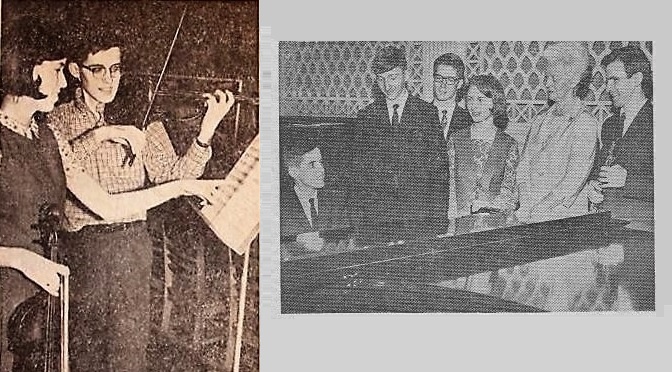
In high school, I was the quintessential nerd, known chiefly as the school math whiz and as an intense chess
Read More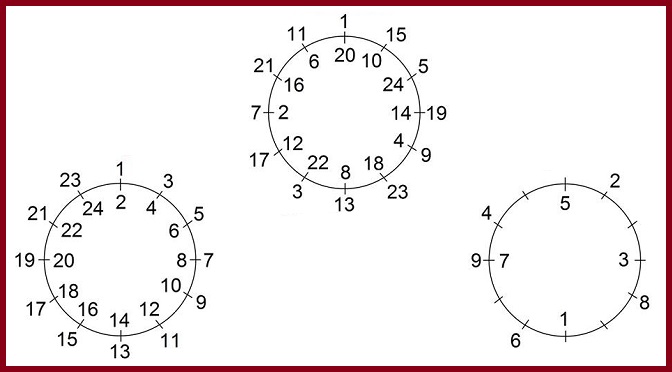
The Circle of Fifths is usually used to illustrate the keys associated with key signatures, with increasing numbers of
Read More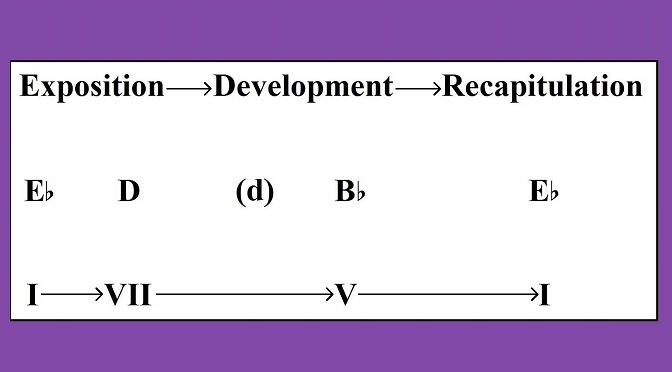
The romance genre is by nature lyrical, and the two themes in my Romance for Oboe and Piano both fit
Read More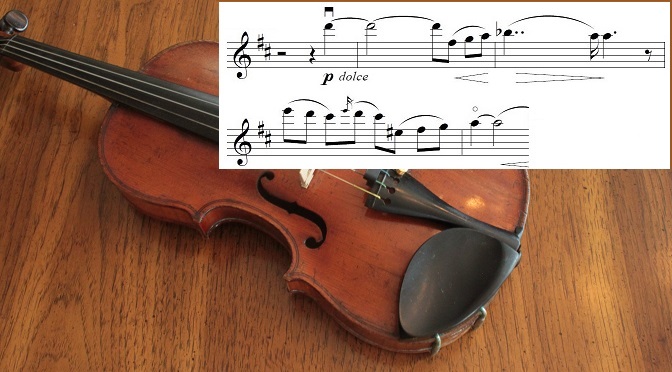
The violin was the first instrument I studied formally, and I took my first lessons around the time of my
Read More
If you are a serious pianist who practices regularly, then hours after your practice session has ended, it is likely
Read More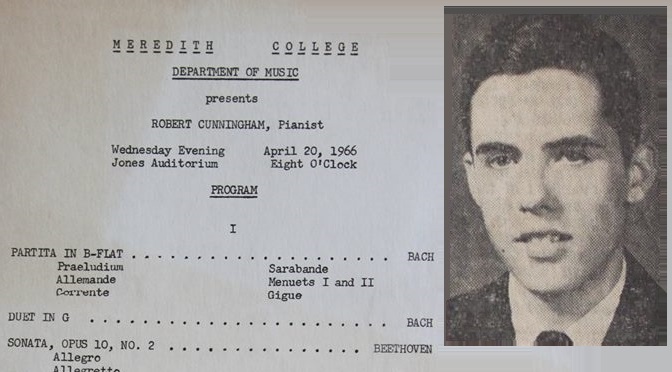
The newspaper clipping (at left below), which I believe is from the Raleigh News and Observer, dates from my senior
Read More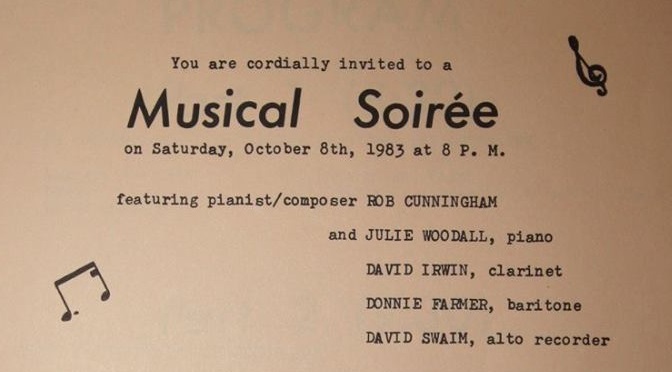
During my early years as a composer, I put on quite a few musical soirées, and one of the most
Read More
Many of my listeners are familiar by now with my two piano nocturnes, both of which can be heard on
Read More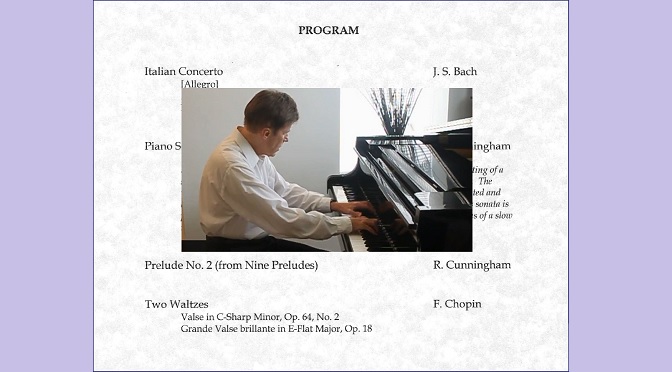
In past posts to this blog, I have described the musical soirées I started putting on in my home in
Read More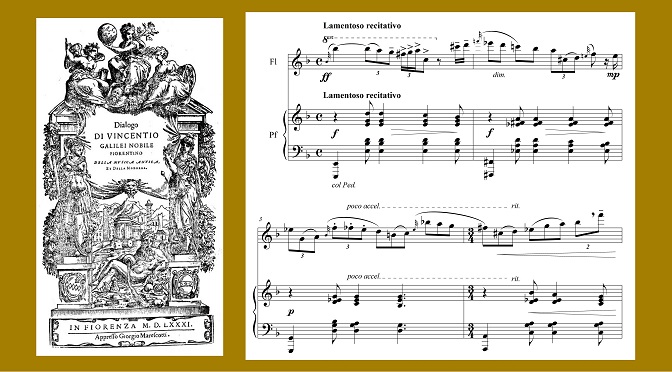
I composed my Lament for Flute and Piano in 1991 but did not attempt to get it performed at the
Read More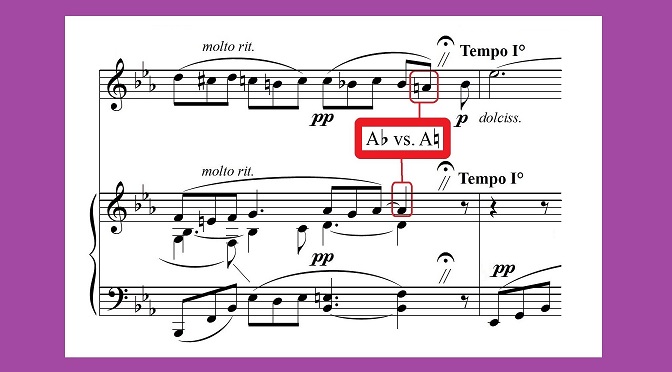
An intriguing feature of my Romance for Oboe and Piano is the ambiguity between A-natural and A-flat. In the piece’s home
Read More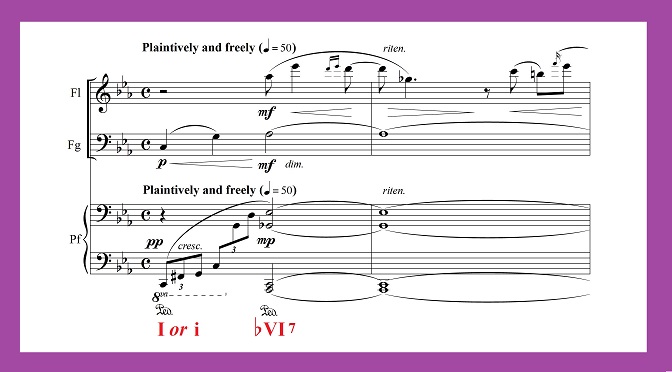
Harmonically, a typical classical work begins by defining the tonality to the listener, through the use of tonic flanked by
Read More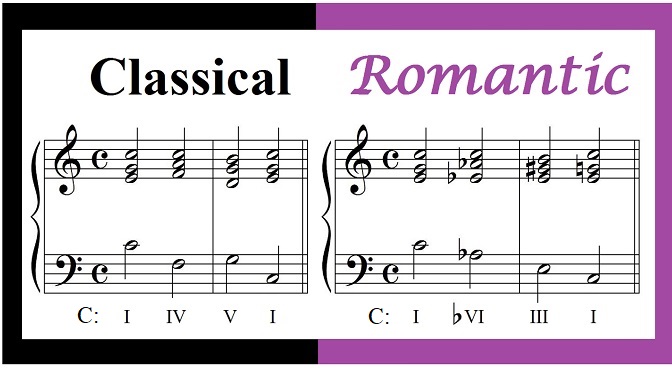
A significant feature of the chromatic harmony in late Romantic music is the use of nontraditional harmonies to convey subdominant
Read More