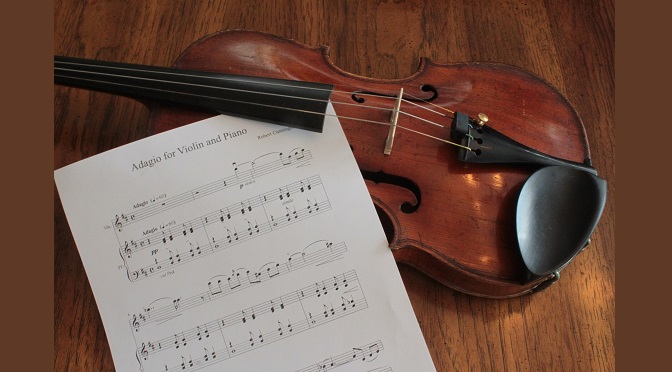
The Story of the Adagio
March 21, 1985 was the tricentennial of the birth of Johann Sebastian Bach. On that day I completed my Adagio
Read More
March 21, 1985 was the tricentennial of the birth of Johann Sebastian Bach. On that day I completed my Adagio
Read More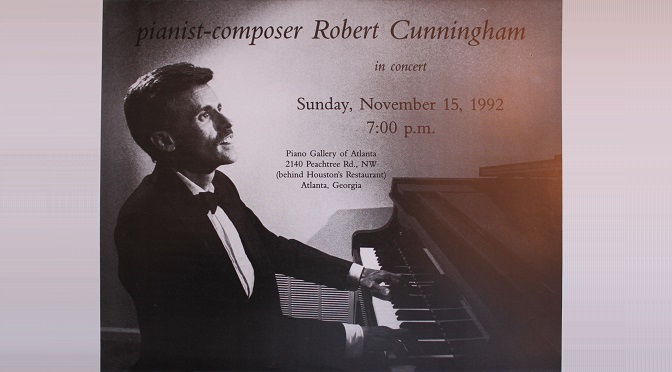
In the fall of 1992, having recently completed my Piano Sonata No. 4, I played a series of three recitals,
Read More
In recent years I have received several inquiries from young composers or would-be composers, asking me: “How do you compose?”
Read More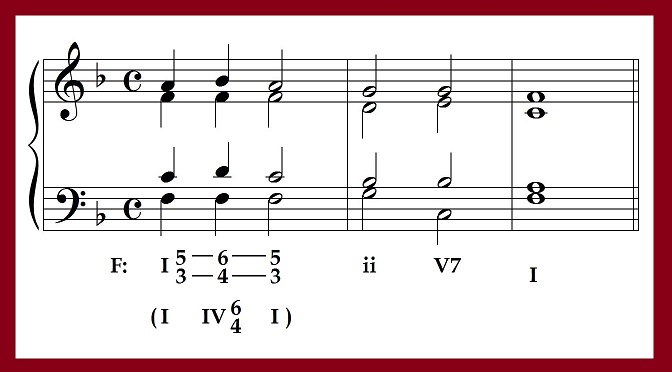
The Academic Papers section of my website includes a PDF scan of a paper that I delivered at the Music
Read More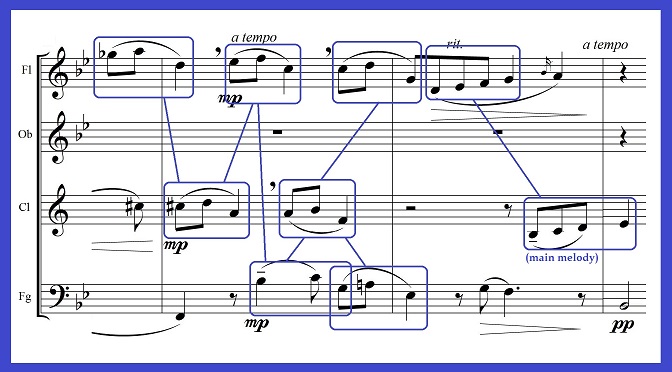
One of the chief tools of an effective composer is contrapuntal imitation. In my Nocturne for Woodwind Quartet, segments of
Read More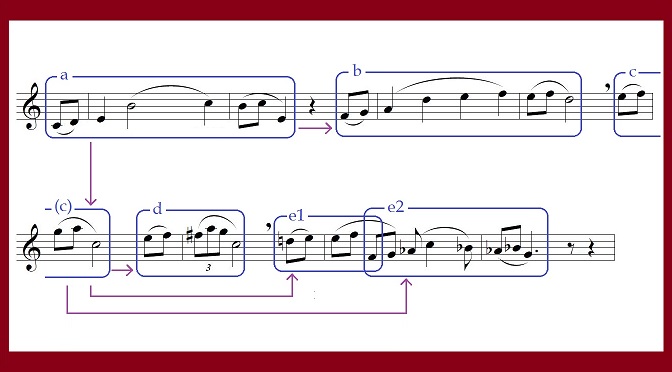
An effective melody is like a living organism. It develops through stages, each stage growing organically out of earlier stages.
Read More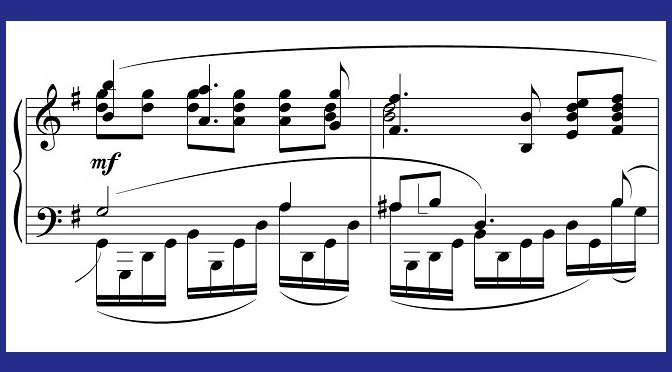
Piano fingering is in my opinion very personal. Pianists vary considerably in hand size, flexibility, and technical skills, and these
Read More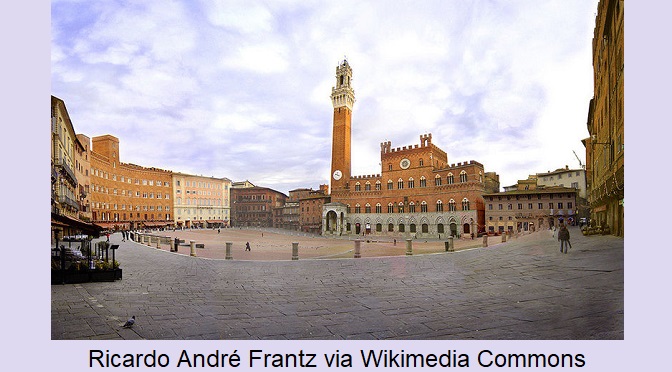
Over a year ago, I posted here about my stay in Siena, Italy, in the summer of 1968. That was
Read More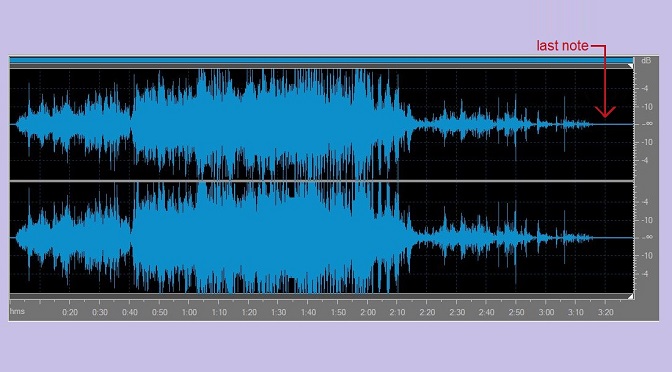
Producing recordings of classical music, especially Romantic music, presents unique challenges. Consider the audio profile of my Prelude No. 5 (both
Read More
This program is from a recital I gave at Meredith College in Raleigh, NC in October 1992. The event was
Read More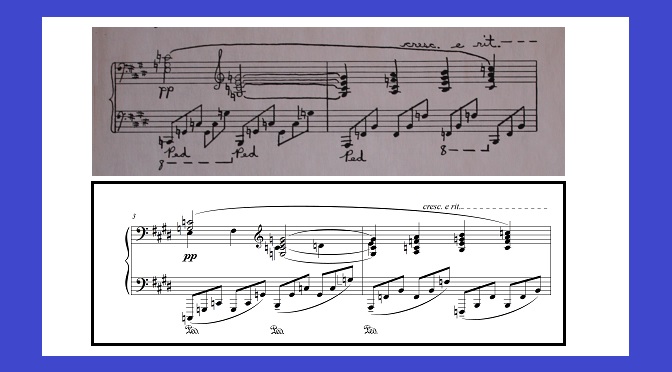
The original version of my Piano Sonata No. 3, composed in 1987, was the last significant work for which I
Read More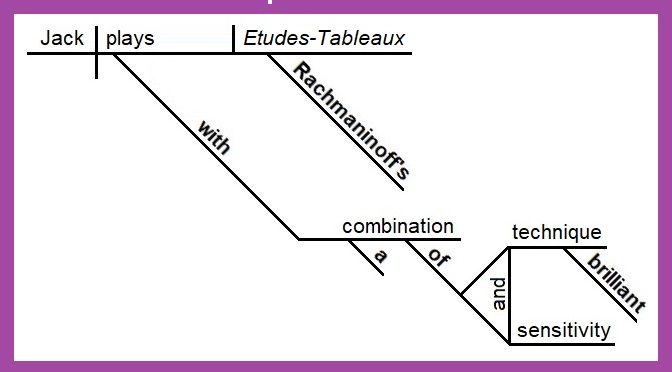
To say that music is a language is not just a metaphor. Music has syntactical structures very akin to those
Read More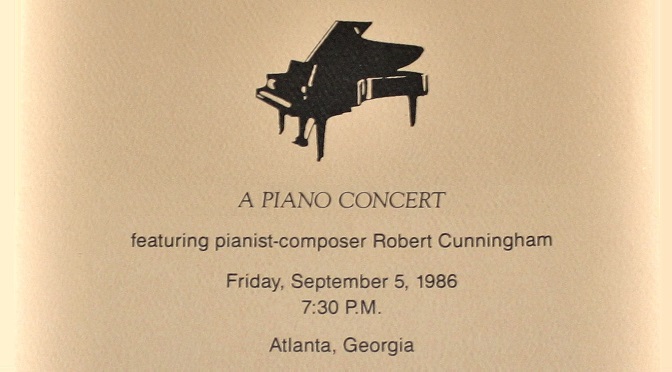
Below is the program for a concert I gave in Atlanta, GA on September 5, 1986. It was, by design,
Read More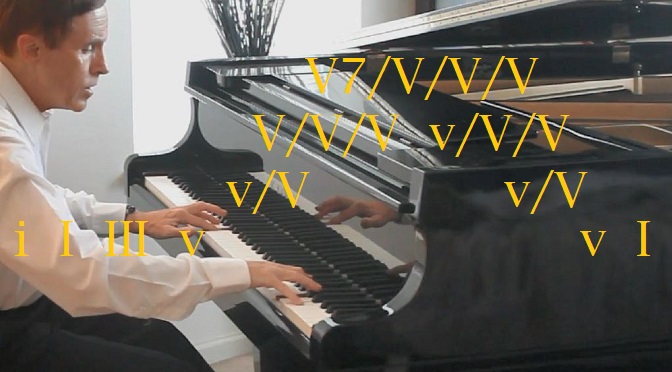
In the archetypical classical sonata-allegro movement, the exposition moves from tonic to dominant (often via the mediant). The development is
Read More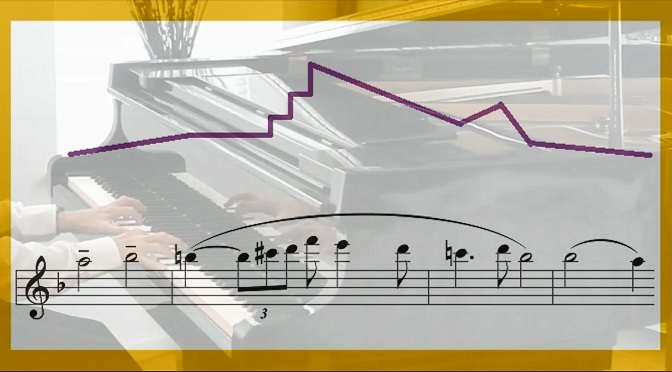
My Piano Sonata No. 4 is a single-movement work, a little over 26 minutes in length, in sonata-allegro form. Within
Read More